
"chinese coffee"
15000 article(s) found
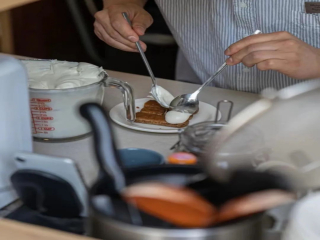
What does Chinese coffee mean? Chinese traditional snack + coffee becomes the traffic password of coffee shop.
Professional coffee knowledge exchange more coffee bean information please follow the coffee workshop (Wechat official account cafe_style) more boutique coffee beans please add private Wechat Qianjie coffee, WeChat: qjcoffeex, Western-style dim sum was almost standard in coffee shops! At that time, I was selling Chinese snacks in the shop.
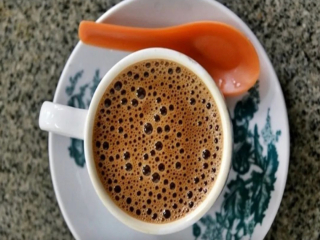
Nanyang Coffee-the ancestor of Chinese coffee! Chinese people have different feelings in drinking coffee.
When it comes to Chinese coffee, the older generation will think of Nanyang coffee. Last night the code clerk made a cup of coffee for his grandfather at home. He talked a lot about Nanyang coffee while drinking it. "the coffee we used to drink was really fragrant and cool. Although it tasted rough, Nanyang coffee was created by the wisdom of generations of Chinese.

Chinese coffee culture the earliest western restaurant in China is called vegetable Restaurant.
Chinese people begin to understand western culture by observing the living habits of westerners. The Chinese find that Westerners drink soup first, then eat; eat first, then drink. Unable to explain this abnormal living habit in China, they were puzzled and finally concluded that the fundamental reason why the living habits of Westerners and Chinese are different is that Westerners believe that the earth is round.

Caffeine: "good Coffee" in the Chinese mind
Coffee can be said to be an out-and-out import in China. Chinese people do not have the habit of drinking coffee, and coffee is not a necessity of life. Coffee may have two main functions in the hearts of most Chinese people. First, it is more powerful than tea and healthier than tobacco. Second, it is a sign of enjoying life and feeling petty bourgeoisie in the West.
Coffee is also a good proprietary Chinese medicine to make milk foam.
Coffee is also a good proprietary Chinese medicine as a kind of exotic tropical plant. Coffee was introduced very late in our country, and there are few records in traditional Chinese medicine books. However, in recent years, coffee, one of the three largest drinks in the world, has gradually become popular among Chinese people and become an important daily drink with hot taste. Today, they will talk about the nature and taste of coffee and its relationship with health from the perspective of traditional Chinese medicine.

A Taiwanese woman came to settle down in Beijing and opened a traditional Chinese cafe.
For the exchange of professional baristas, please pay attention to the coffee workshop (Wechat official account cafe_style). When a Taiwanese woman opens a coffee shop in Beijing, she not only does not do as the Romans do, but insists on using all traditional characters, but also uses a copy paper to attract local young people to patronize frequently. Go to Beijing to open a coffee shop Taiwanese women have dreams Beijing is full of cafes, large and small, as well as all kinds of teahouses, teahouses and leisure parties

The popularity of the search soared by nearly 5000%, and Chinese coffee was out of the circle!
Professional coffee knowledge exchange more coffee bean information please follow coffee workshop (Wechat official account cafe_style) more boutique coffee beans please add private Wechat Qianjie coffee, WeChat account: qjcoffeex from coffee brand to coffee beans to creative coffee and then to coffee shop decoration, more and more "Chinese style"

Which province is the main province of Chinese coffee? Chinese coffee brands rank in Chinese coffee producing areas.
Professional coffee knowledge exchange more information about coffee beans Please follow the coffee workshop (Wechat official account cafe_style) Coffee production in China began on a small scale in the late 19th century. It expanded in the 1960s, but it wasn't really valued until the 1980s. In the 1980s, the Chinese government, the United Nations and a multinational coffee roasting company invested in new cultivation and processing
What? Coffee is actually traditional Chinese medicine?! What is the difference between hot American coffee and traditional Chinese medicine?
Very few people really drink the flavor of tea coffee beans, and the traditional impression that "coffee is bitter" lingers in the minds of many consumers, even if it is high in calories, all kinds of operations of adding milk and sugar can not stop. Some workers with "adult-looking" hairstyles think about their health and refreshing, so they are hard.

The medicinal value of coffee Coffee is also a good "traditional Chinese medicine"
As an exotic tropical plant, coffee was introduced very late in China, and there are few records in traditional Chinese medicine books. However, in recent years, coffee, one of the three largest drinks in the world, is gradually loved by Chinese people and has become an important daily drink of fashion and delicacy. Today we will talk about the nature and taste of coffee and its relationship with health from the perspective of traditional Chinese medicine. From the point of view of traditional Chinese medicine, coffee is special.
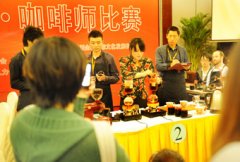
Coffee character: sun Quanxiu, champion of the barista contest
Sun Quanxiu's wonderful performance in the competition attracted a lot of spectators' coffee. As a foreign drink introduced into China from the West, it is widely welcomed in bustling Chinese cities. Today's coffee culture is not only the representative of Western culture, but also carried forward and sublimated in the hot land of China. Sun Quanxiu said: nowadays many Chinese people drink coffee, just like drinking tea.

Chinese famous wine blending delicious fancy coffee
There is no lack of coffee drinks mixed with western wine in the history of Chinese famous wine blending delicious fancy coffee, but Chinese fine wine combined with western-style coffee and officially launched for the market is still the first in the industry: Girls red coffee? What kind of feeling was this? Or, in a bookstore with a strong traditional Chinese culture, smell books and taste coffee. Time shuttles, Chinese and Western are combined, and the delicious food is more wonderful.

The "living fossil" of Chinese coffee waits for a hundred years of "encounter"
In the second pair of coffee shops, guests taste Zhukula coffee in front of the murals in Ha long Bay, Vietnam. Chinanews.com, Dali, April 11 (Miao Chao) more than 100 years ago, French missionaries planted coffee trees in Zhu Kula, a remote mountain village in Binchuan, Yunnan, opening the history of coffee cultivation in China. After a hundred years, Zhu Kula coffee was hidden in boudoir, until Binchuan welcomed a group of Vietnamese returned overseas Chinese. Reporter
Attitudes and views of Chinese people on Coffee drinking in recent years
Professional coffee knowledge exchange more coffee bean information Please pay attention to the coffee workshop (Wechat official account cafe_style) Chinese people do not have the habit of drinking coffee, coffee is not a necessity of life, and most domestic coffee consumers are no more than the following two reasons: ① as a more powerful than tea, healthier than tobacco as a refreshing medicine; ② is as Western music

The encounter between Zhou Enlai and the Cafe of Flowers in Paris
The Flower Cafe, located at 172nd St. Germain Street in the sixth arrondissement of Paris, was built in 1887 because there was a statue of the ancient Roman goddess Flore in front of the door. (file photo) Planet Ye took out a map of Paris to mark the footprints of Zhou Enlai that year. Oral history narrator: Ye Planet Zhou Enlai, president of the French European History Society, in the 13th arrondissement of Paris in the 1920s.
Coffee is constantly "Chinese", but it is missing its root and soul.
Although coffee and coffee cultivation technology have been introduced to Yunnan, China by French missionaries since 1904, coffee as a crop did not bring effective economic benefits to farmers at that time, and the taste of coffee was not in line with the taste of Chinese people. therefore, coffee has been in "water" in China for a long time.

Drinking traditional Chinese medicine is better than drinking coffee.
As a kind of exotic tropical plant, coffee was introduced very late in our country, and there are few records in traditional Chinese medicine books. However, in recent years, coffee, one of the three largest drinks in the world, has gradually become popular among Chinese people and become an important daily drink with hot taste. Today, they will talk about the nature and taste of coffee and its relationship with health from the perspective of traditional Chinese medicine. From the perspective of traditional Chinese medicine, coffee is stored.
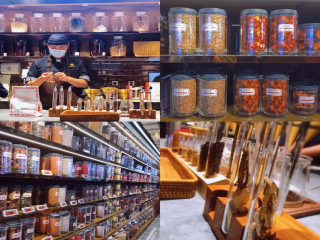
Punk health coffee tailor-made for social animals! Tongrentang Health launched Chinese wolfberry latte, orange peel hand flush and Luohanguo American style.
Traditional Chinese medicine with coffee, hot search again! Poria peel, Codonopsis pilosula, andrographis paniculata. You think you're cooking traditional Chinese medicine? No, it's not! I'm making coffee! What is recommended by the majority of netizens this time is a Chinese wolfberry latte. Lily, Polygonatum odoratum, nourishing yin and moistening dryness, Chinese wolfberry pulp nourishing liver and kidney, protecting liver and eyesight, is a necessary coffee for social animals in autumn and winter

Multinational companies are bullish on the Chinese market Starbucks KFC relies on the Chinese market
Ambitious Starbucks is expanding in China, but customer lingering is a big obstacle to Starbucks' expansion in China, it was reported on Wednesday. Customers love these stores so much that they sit hour after hour, sometimes without even buying a cup of coffee. In fact, although these multinationals are expanding at an alarming rate in China, their sales in China account for their global sales.
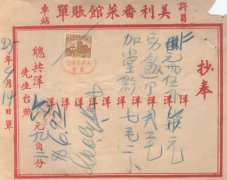
The earliest western restaurant in China was called Fancai Restaurant
Chinese people begin to recognize western culture by observing westerners 'living habits. The Chinese found that Westerners drink soup first, then eat; eat first, then drink. They couldn't explain this abnormal Chinese living habit, and they finally concluded that the fundamental reason why Westerners and Chinese living habits are different is that Westerners believe that the earth is round and Chinese head to head.